


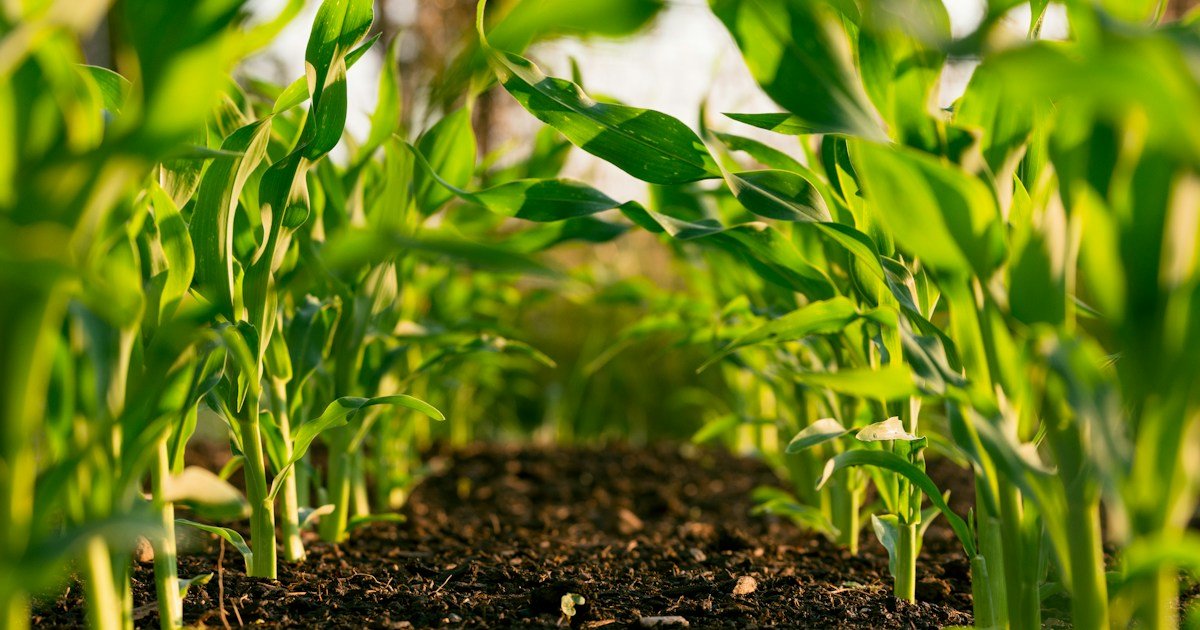
Feeding ten billion people by the end of the century without destroying the planet is the defining challenge of our time. Traditional farming methods are simply not going to cut it. In 2026, artificial intelligence is turning agriculture into a highly precise, data-driven science, maximizing every single drop of water and every grain of soil.
From Blanket Spraying to Micro-Dosing
Historically, farmers treated entire fields the same way. If one corner had a pest problem, the whole field got sprayed. AI has introduced the era of micro-dosing. Tractors and drones equipped with computer vision scan crops in real time, identifying individual weeds or specific nutrient deficiencies on a plant-by-plant basis.
Instead of blanketing a hundred acres in herbicide, the AI directs nozzles to spray only the three specific weeds that need it. This reduces chemical usage by up to eighty percent, saving the farmer massive amounts of money while drastically reducing environmental runoff. It is a massive win for both the bottom line and the local ecosystem.
Predictive Harvests and Climate Resilience
Weather patterns are becoming increasingly erratic. AI models now ingest decades of historical weather data, real-time satellite imagery, and soil sensor readings to predict micro-climate shifts days in advance. If a sudden frost is predicted for a specific valley, the AI can automatically trigger irrigation systems to protect the blossoms, saving an entire season’s yield.
Furthermore, AI is accelerating the development of climate-resilient crop varieties. By simulating millions of genetic combinations in virtual environments, researchers can identify the exact genetic markers needed to create drought-resistant wheat or flood-tolerant rice, cutting breeding cycles from decades down to just a few years.
The Autonomous Farm
The physical labor shortage in agriculture is being solved by autonomous swarms. Small, solar-powered robots now patrol fields day and night, planting seeds at optimal depths, harvesting fruit at the exact moment of peak ripeness, and communicating with each other to coordinate coverage. These machines do not need sleep, and they do not compact the soil like heavy diesel tractors.
Can technology truly outpace the destructive forces of climate change in time? The early yields from AI-optimized farms suggest we have a fighting chance, but it requires rapid global adoption of these tools.
How important is it for the food you eat to be grown using AI and robotics?
Sources: FAO Digital Agriculture Report 2026, Nature Sustainability, AgTech Global Innovations