


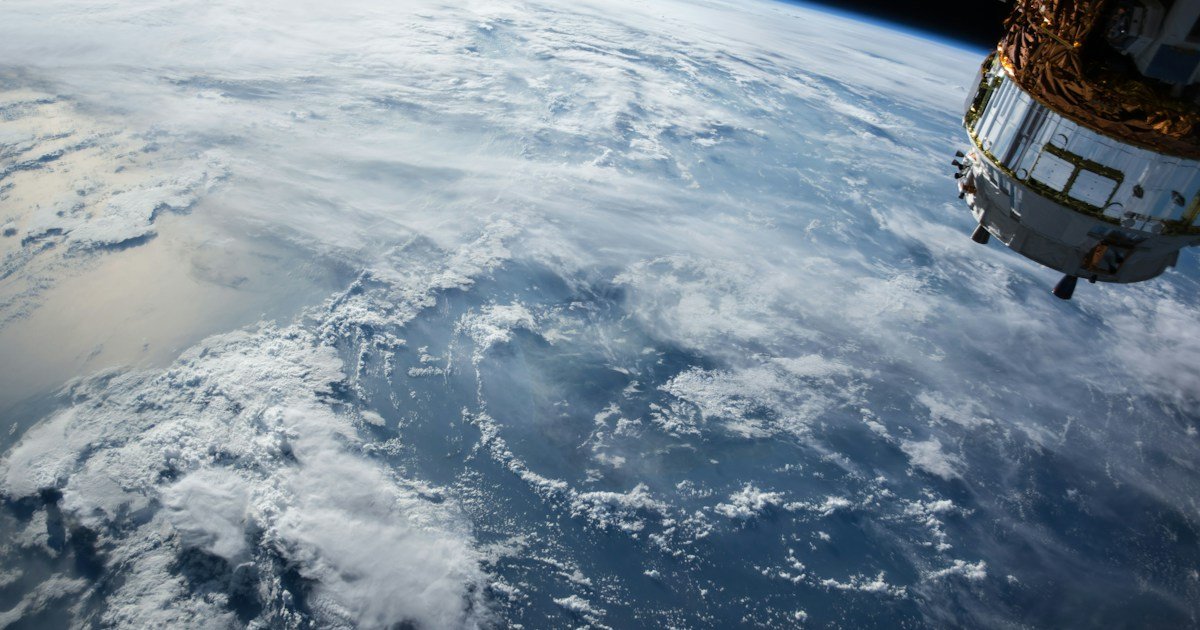
Space is vast, unforgiving, and incredibly far away. The time delay in communicating with a spacecraft millions of miles from Earth makes remote control practically impossible. In 2026, artificial intelligence is giving spacecraft the ability to think for themselves, unlocking a new era of autonomous exploration across the solar system.
The End of the Joyride
When the early Mars rovers explored the red planet, every movement had to be meticulously planned and commanded from Earth. By the time a command reached the rover, and the confirmation came back, minutes or even hours had passed. It was an incredibly slow and inefficient way to explore.
Modern rovers and landers are now equipped with advanced AI navigation systems. They can analyze the terrain in real time, identify scientific targets of interest, and plot the safest, most efficient path without waiting for human permission. If a rover encounters an unexpected obstacle, it reroutes instantly. This autonomy allows scientists to explore vastly more territory in a single mission.
Autonomous Science in the Cosmos
AI is not just driving the spacecraft. It is acting as the scientist. Orbiters mapping the surfaces of moons like Europa or Enceladus use AI to analyze the chemical composition of the ice in real time. If the AI detects a plume of organic molecules, it can autonomously adjust the spacecraft’s trajectory to fly through the plume and collect more data, maximizing the scientific return of a fleeting opportunity.
Deep space probes traveling to the outer edges of the solar system use AI to manage their own power systems, predict hardware failures before they happen, and optimize their communication windows with Earth. They are truly independent explorers.
Preparing for Human Missions
As we look toward sending humans back to the Moon and eventually to Mars, AI is critical for life support and habitat management. Autonomous systems will monitor the structural integrity of habitats, manage the recycling of air and water, and predict solar radiation storms to ensure the crew stays safe.
We are no longer just sending remote-controlled cameras into the dark. We are sending intelligent agents to be our eyes, ears, and hands among the stars.
Would you trust an AI to navigate a spacecraft carrying human passengers?
Sources: NASA Autonomous Systems Report 2026, European Space Agency AI Initiatives, Journal of Spacecraft Robotics