


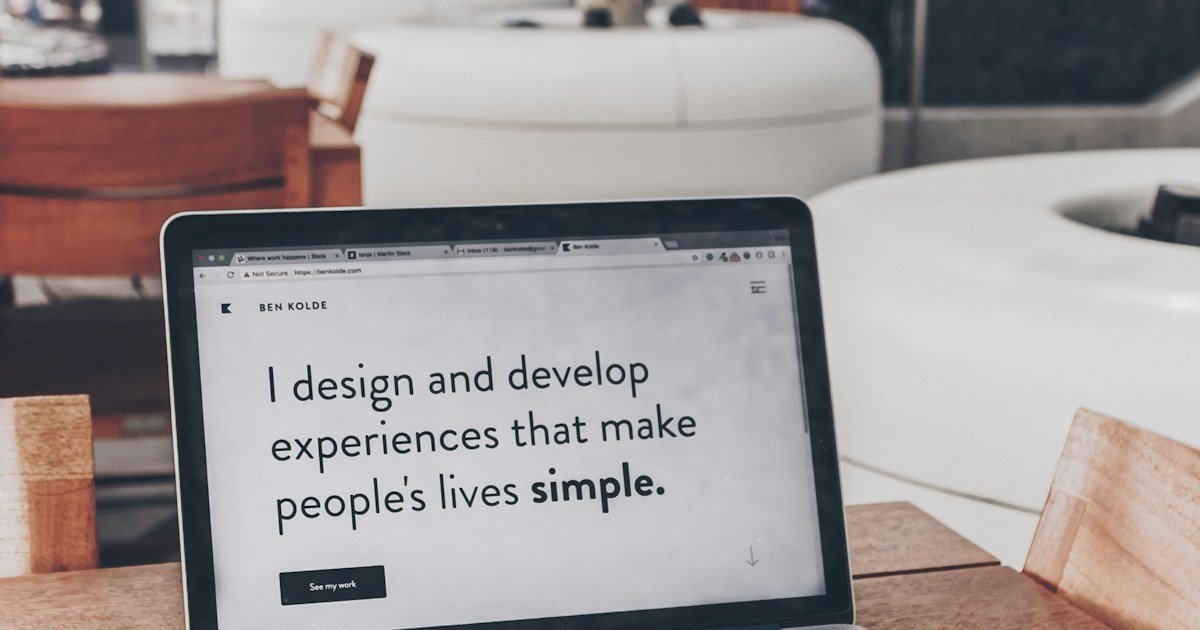
For the last thirty years, the internet has looked essentially the same for everyone. A designer in California draws a static layout, a developer codes it, and every single person who visits that website sees the exact same buttons, menus, and text. In 2026, Generative UI is shattering this paradigm, creating interfaces that build themselves in real time.
The Death of the Static Webpage
Generative UI uses AI to analyze the context, intent, and preferences of the user the moment they land on a page. Instead of loading a pre-designed template, the AI generates the interface on the fly. If you are a visual learner, the AI generates charts and infographics. If you are in a rush, it strips away the images and gives you a concise text summary with large, clear action buttons.
The layout, the colors, the size of the text, and the placement of the navigation menu are all dynamically rendered for that specific user at that specific moment. The website is no longer a fixed destination. It is a fluid experience that adapts to you.
Conversational Interfaces Replace Clicking
This shift is also changing how we interact with software. Instead of hunting through nested menus to find a specific setting, you simply tell the AI what you want to do. The Generative UI instantly creates the exact slider, form, or dashboard you need to accomplish that task, and then dissolves it when you are done.
This dramatically lowers the learning curve for complex software. Enterprise tools that used to require weeks of training can now be navigated intuitively because the interface morphs to match your current workflow and skill level.
The Challenge for Designers
This does not mean UI designers are out of a job. Their role is shifting from drawing static screens to defining the rules, constraints, and brand guidelines that the AI uses to generate the interfaces. Designers are becoming system architects, ensuring that no matter how the AI rearranges the elements, the experience remains beautiful, accessible, and on-brand.
The internet is becoming a mirror, reflecting exactly what you need at the exact moment you need it. How will you design for a web that has no fixed shape?
Would you prefer a website that looks the same for everyone, or one that changes its layout just for you?
Sources: UX Collective Trends 2026, Nielsen Norman Group AI Interface Report, Web Design Institute